Rug Pull Explained How to Identify and Avoid Rug Pulls in Crypto in 2026
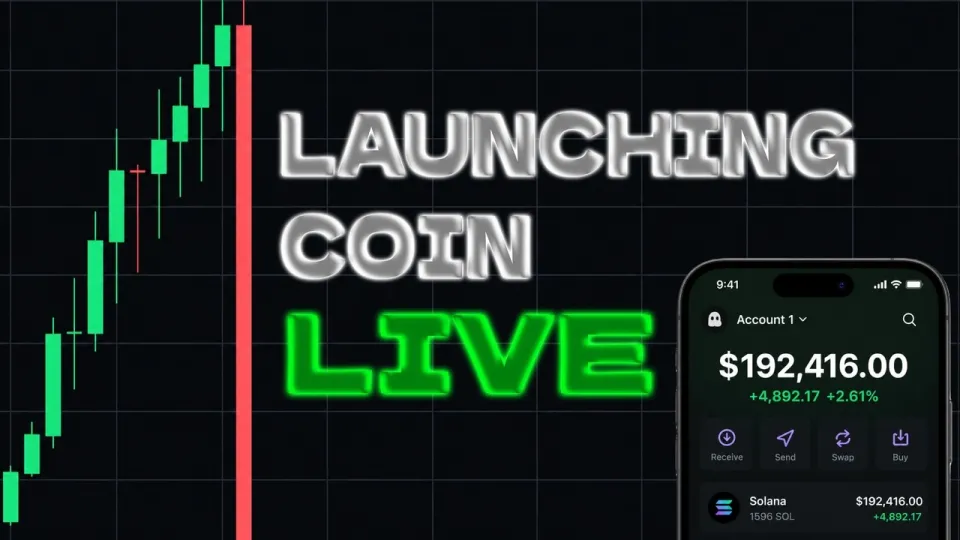
Video: Rug Pull Guide How to Launch a Meme Coin Step-by-Step
· based on the channel New brand channel
Rug pull scams in the cryptocurrency world are not random hacks or mere project failures; they are deliberately engineered exit strategies embedded into the very code of certain tokens from their inception. These scams primarily target meme coins and decentralized finance (DeFi) projects, where scammers manipulate liquidity and control tokenomics to maximize their profits before disappearing with investors’ funds. Understanding how rug pulls work is crucial for any crypto trader or investor in 2026 to avoid becoming exit liquidity.
What Is a Rug Pull in Crypto
A rug pull is a type of scam where developers or insiders of a crypto project suddenly withdraw liquidity or control, causing the token’s price to collapse and leaving investors with worthless assets. This is often executed through smart contracts that include hidden admin privileges and kill switches. Typically, the scam starts with a hype phase, often involving meme coins, followed by a sudden dump once the total value locked (TVL) peaks.
The Mechanics of Rug Pulls
Rug pulls rely on a few key architectural elements:
- Engineered Tokenomics: The token supply, emission rates, and distribution are rigged to create artificial price pumps and dumps. For example, a large portion of tokens may be allocated to the creators with the ability to sell at peak hype.
- Liquidity Pool Illusions: Scammers create fake liquidity pools that appear locked or secure but are actually controlled through hidden dependencies. This gives a false sense of security to investors.
- Admin Backdoors: Smart contracts include permissions that seem harmless but allow developers to seize total control, including withdrawing liquidity or minting new tokens.
- Kill Switch Logic: These features remain dormant during initial phases but activate when the project reaches maximum investment, triggering a sudden collapse.
How to Detect Rug Pulls Before They Happen
Detecting a rug pull involves careful forensic on-chain analysis and understanding the project’s smart contract code:
- Check the liquidity pool status on platforms like Dexscreener to verify if liquidity is truly locked or if there are hidden withdrawal mechanisms.
- Review tokenomics for disproportionate allocations or emission schedules that incentivize dumps.
- Audit the smart contract for admin privileges and backdoors that could enable a kill switch.
- Monitor on-chain activity for unusual token transfers or sudden liquidity movements.
Common Rug Pull Tactics in Meme Coin Launches
Rug pulls are particularly prevalent in meme coins, especially on chains like Solana where launch barriers are low:
- Creating hype through social media and influencers to pump the coin price.
- Offering misleading assurances of locked liquidity.
- Using complex contract code to obscure admin controls.
- Executing pump-and-dump strategies rapidly once TVL peaks.
How to Protect Yourself Against Rug Pulls
- Always perform due diligence and DYOR (Do Your Own Research) before investing.
- Use tools and websites such as launch-tool.org that can help analyze token contracts and liquidity status.
- Avoid projects with anonymous teams or unverifiable credentials.
- Be wary of tokens with high initial supply locked to developers or with unclear tokenomics.
Frequently Asked Questions About Rug Pulls
What makes a liquidity pool 'fake' or vulnerable?
Some liquidity pools are designed to appear locked but include hidden dependencies or admin functions allowing withdrawal of liquidity by creators, making them vulnerable to rug pulls.
Can a rug pull happen without a kill switch in the contract?
While kill switches facilitate instant rug pulls, some scams rely on manual withdrawal of liquidity by owners if admin privileges exist, so absence of kill switches does not guarantee safety.
Why are meme coins often targeted for rug pulls?
Meme coins attract hype and rapid investments with low regulatory oversight, making them ideal vehicles for scammers to pump and dump before investors realize the scam.
How can I verify if a token's liquidity is truly locked?
Using blockchain explorers and audit tools, investors can check smart contract code and liquidity lock contracts to confirm if liquidity is locked in a time-bound contract or controlled by developers.
Useful Links
- launch-tool.org — Website offering tools for token launch and scam analysis
Conclusion
Rug pulls remain one of the most damaging scams in the crypto space, especially in the realm of meme coins and decentralized finance. By understanding the engineered tokenomics, liquidity pool manipulations, admin backdoors, and kill switch mechanics, investors can better protect their funds. The step-by-step breakdown by New brand channel exposes the exact framework scammers use, empowering traders and developers to detect and avoid these traps. For ongoing protection and tools, visit launch-tool.org. Staying informed and vigilant is the key to not becoming exit liquidity in 2026 and beyond.
Key takeaways
- Rug pulls are premeditated crypto scams coded into smart contracts from launch.
- Liquidity pools can be fake or deceptively 'locked' to lure investors.
- Admin backdoors grant scammers control to trigger the rug pull anytime.
- Engineered tokenomics enable massive dumps after a pump phase.
- Forensic on-chain analysis helps spot red flags before collapse.
Source: Rug Pull Guide How to Launch a Meme Coin Step-by-Step · Markdown version
Questions & answers
What exactly is a rug pull in cryptocurrency?
A rug pull is a scam where developers of a crypto project withdraw liquidity or control suddenly, causing the token price to crash and investors to lose their funds.
How can I identify if a liquidity pool is fake or unsafe?
You can check if liquidity is genuinely locked by examining smart contracts on blockchain explorers and using tools to detect hidden admin functions that allow withdrawal.
Why do rug pulls commonly occur with meme coins?
Meme coins often attract hype and quick investments with minimal regulation, making them ideal for scammers to execute pump-and-dump schemes before disappearing.
Are admin backdoors always visible in smart contracts?
Not always; some backdoors are hidden behind complex code or disguised permissions that seem harmless but grant total control to developers.